
Blog
Why Is My Car Battery Dead? Common Causes and What You Can Do About It
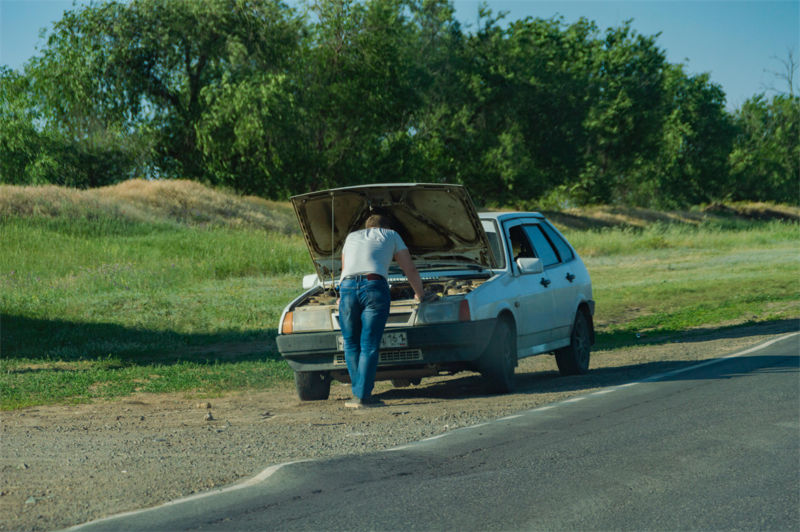
There’s nothing more frustrating than turning the key in your car and just hearing a “click,” or even worse, complete silence. A dead car battery can leave you stranded at home, in a parking lot, or on the side of the road at the worst possible moment.
If you’ve been trying to figure out “why is my car battery dead?” you’re not alone. Dead batteries are one of the most common causes of vehicle breakdowns. In fact, battery-related problems are a leading reason drivers call roadside assistance every year.
The good news is that many battery failures are preventable once you understand what causes them.
Common Reasons Your Car Battery Is Dead
1. You Left Something On
This is the most common culprit. Interior lights, headlights, a door left slightly ajar, or accessories like chargers and radios can slowly drain your battery overnight.
2. Your Car Has a Parasitic Drain
A parasitic drain happens when an electrical component continues pulling power after the vehicle has been shut off.
Some common causes include:
-
- Faulty relays
- GPS trackers
- Dash cams
- Aftermarket stereos
- Alarm systems
- Wiring issues
These drains can slowly kill a battery even if the vehicle seems normal when you’re driving it.
3. The Battery Is Old
Most car batteries last 3 to 5 years depending on climate and driving habits. As batteries age, they lose their ability to hold a charge.
Signs of an aging battery include:
-
- Slow engine cranking
- Dim headlights
- Clicking sounds when starting
- Needing frequent jump starts
Once a battery has been deeply discharged multiple times, permanent damage often occurs and capacity drops significantly.
4. Your Vehicle Has Been Sitting Too Long
If you don’t drive your vehicle regularly, the battery naturally discharges over time. Even while parked, your vehicle still powers systems like:
-
- Clocks
- Security systems
- Keyless entry modules
- Computers and memory functions
Cold weather makes this even worse because batteries lose efficiency as temperatures drop.
If you often go a while without driving your car, running the engine for 15 minutes every couple weeks or so can help preserve your battery life.
5. Corroded or Loose Battery Connections
Sometimes the battery itself is fine, but corrosion on the terminals prevents proper electrical flow.
Look for:
-
- White or blue powder around terminals
- Loose clamps
- Damaged cables
Poor connections can prevent charging and starting, even with a relatively healthy battery.
6. Your Alternator Isn’t Charging Properly
The alternator recharges your battery while the engine is running. If the alternator is failing, your battery may even drain while driving.
Common symptoms include:
-
- Dashboard battery warning light
- Flickering or fading dashboard lights
- Electrical issues
- Vehicle stalling
Many people replace the battery only to discover the alternator was actually the problem. If you notice any of these things also happening, ask your mechanic to check the alternator.
Why Jump Starting Isn’t Always the Best Solution
Most drivers immediately reach for jumper cables or a portable jump starter. While this can get you moving temporarily, repeated jump starts can create more problems down the road.
Deeply discharged batteries (ie: dead batteries) often suffer permanent internal damage. Even if the battery starts working again, it may no longer hold a reliable charge.
Jump starting can also put heavy stress on your vehicle’s electrical system and alternator. Repeatedly charging a dead battery through the alternator can shorten the alternator’s life and damage sensitive electronics.
How to Prevent a Dead Battery
A few simple habits can dramatically reduce your chances of getting stranded:
-
- Drive your vehicle regularly
- Replace aging batteries proactively
- Check battery terminals for corrosion
- Turn off lights and accessories when parked
- Test your charging system annually
- Use battery protection if your vehicle sits for long periods
For vehicles with aftermarket electronics, work trucks, fleet vehicles, RVs, or cars that sit unused for days or weeks, battery protection becomes even more important.
A Smarter Way to Prevent Dead Batteries
One of the easiest ways to avoid dead battery problems altogether is using an automatic battery protection system like PriorityStart!
Unlike traditional battery disconnects, PriorityStart! automatically monitors your battery voltage and disconnects the electrical load if the battery drops below a safe level. This helps prevent deep discharge while still leaving enough power to start your vehicle.
The system reconnects automatically with a simple action like pressing the brake pedal, turning on a light switch, or anything else that triggers a load change.
It’s especially useful for:
-
- Vehicles parked for extended periods
- Fleet vehicles
- RVs and campers
- Work trucks
- Vehicles with aftermarket electronics
- Cold-weather climates
PriorityStart! has been protecting vehicle batteries for decades and is used by fleets, utilities, and law enforcement vehicles where reliability matters.
If you’re tired of dealing with dead batteries, jump starts, and unexpected breakdowns, it may be time to prevent the problem before it starts.
Learn more about our product line and how automatic battery protection can help keep your vehicle ready when you need it most.
Get in touch!
Send us your questions and comments
PriorityStart!
A product of BLI Inc.
Keeping your batteries going for the last 20 years
Contact
Sales: sales@prioritystart.com
Tech Support: techsupport@prioritystart.com
Accounting: accounting@prioritystart.com
Offices
12402 N Division Street #200
Spokane, WA 99218
Hours
Monday, Wednesday, Thursday 8am-3pm
